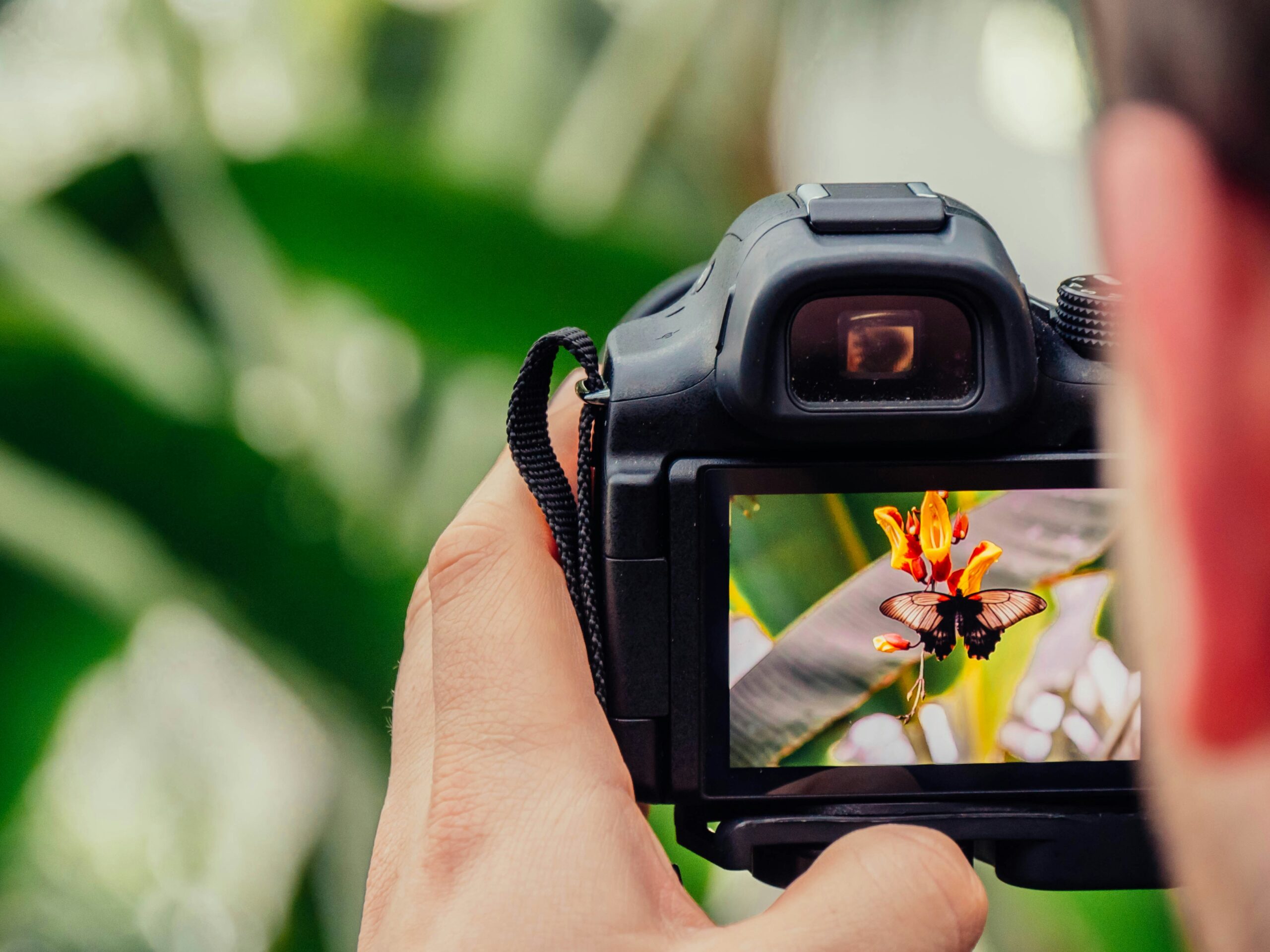
Photography is more than pressing a button. It is a skill that blends creativity, technical understanding, and observation. For beginners, photography can feel overwhelming at first, especially with so many settings, styles, and opinions available. The good news is that every skilled photographer started exactly where you are now. By learning a few core principles and practicing with intention, beginners can build a strong foundation and develop confidence behind the camera.
Understanding Your Camera Before Taking Photos
One of the most critical steps for beginners is getting familiar with their camera. Whether you use a smartphone, a mirrorless camera, or a DSLR, understanding basic functions makes a noticeable difference. Learn how to change settings such as ISO, aperture, and shutter speed, even if you start in automatic mode.
Take time to explore your camera menu, buttons, and shooting modes. Knowing where settings are located helps you react quickly when opportunities arise. Confidence with your equipment allows you to focus more on creativity and less on confusion.
Learning the Basics of Exposure
Exposure determines how bright or dark an image appears. It is controlled by three main elements known as the exposure triangle: aperture, shutter speed, and ISO. Aperture controls the amount of light entering the lens and affects background blur. Shutter speed controls how motion is captured. ISO adjusts the camera’s sensitivity to light.
Beginners do not need to master everything at once. Start by adjusting one setting at a time and observing the results. Understanding exposure gives you control over your images instead of relying entirely on automatic settings.
Composition Skills That Instantly Improve Photos
Composition is how elements are arranged within a frame. Good composition guides the viewer’s eye and creates visual interest. One of the most helpful techniques for beginners is the rule of thirds. By placing your subject slightly off-center, images often feel more balanced and engaging.
Pay attention to leading lines, framing, and background distractions. Simple adjustments like moving your feet or changing angles can dramatically improve a photo. Composition is a skill developed through observation and practice, not expensive gear.
The Importance of Light in Photography
Light is the foundation of photography. Learning to see and use light is more critical than learning camera settings. Natural light varies throughout the day, affecting mood and color perception. Early morning and late afternoon often provide softer, more flattering light.
Beginners should practice shooting in different lighting conditions to understand how light behaves. Notice shadows, highlights, and the direction of light. Avoid harsh midday light when possible, or use shade to soften contrast.
Why Practice Matters More Than Equipment
Many beginners believe better equipment will instantly improve their photography. While quality gear can help, practice is far more critical. Learning how to use your current camera effectively will teach you more than upgrading too soon.
Set small goals for practice sessions, such as focusing on composition one day and lighting the next. Consistent practice builds muscle memory and sharpens your creative eye over time.
Shooting in Manual Mode Without Fear
Manual mode gives photographers complete control over exposure settings. While it may seem intimidating, learning manual mode helps beginners understand how their camera truly works. Start in a comfortable environment where you can experiment without pressure.
Adjust one setting at a time and observe its effect on the image. Mistakes are part of the learning process. Over time, manual mode becomes less stressful and more empowering.
Developing a Photographer’s Eye
Photography is about seeing, not just shooting. Beginners benefit from slowing down and observing scenes before taking a photo. Look for interesting patterns, colors, textures, and moments that tell a story.
Studying photos from photographers you admire can also sharpen your eye. Please pay attention to how they use light, composition, and emotion. Inspiration helps guide your own creative growth.
Understanding Focus and Sharpness
Sharp focus plays a significant role in image quality. Beginners should learn how autofocus modes work and when to use them. Single-point focus is appropriate for portraits, whereas continuous focus is well-suited to moving subjects.
Camera shake is another common issue. Holding the camera steady, maintaining proper posture, and increasing shutter speed help prevent blurry images. Sharpness improves significantly with good technique.
Editing Basics for Beginners
Editing is part of modern photography. Simple adjustments such as exposure, contrast, and color balance can enhance images without overprocessing. Beginners should start with basic editing tools and focus on subtle improvements.
Editing should support the photo, not overpower it. Learning editing basics helps photographers develop a consistent style and understand how light and color affect mood.
Learning Through Mistakes and Feedback
Mistakes are valuable teachers in photography. Every blurry image or poorly exposed shot provides information about what to improve. Reviewing photographs and identifying patterns helps beginners progress more quickly.
Sharing work with supportive communities or friends can also provide helpful feedback. Constructive criticism encourages improvement and builds confidence.
Patience and Progress in Photography
Photography is a journey, not a race. Beginners often compare themselves to experienced photographers, which can be discouraging. Progress happens through steady learning and practice.
Celebrate minor improvements and stay curious. Every photo you take builds experience and skill, even if the result is not perfect.
Final Thoughts on Starting Your Photography Journey
Photography for beginners involves learning fundamentals, practicing regularly, and developing a personal style. Technical skills and creative vision grow together over time. By understanding your camera, using light intentionally, and focusing on composition, you build a strong foundation.
Most importantly, enjoy the process. Photography is a way to explore the world, tell stories, and express creativity. With patience and persistence, beginners can transform their first clicks into confident, meaningful images.