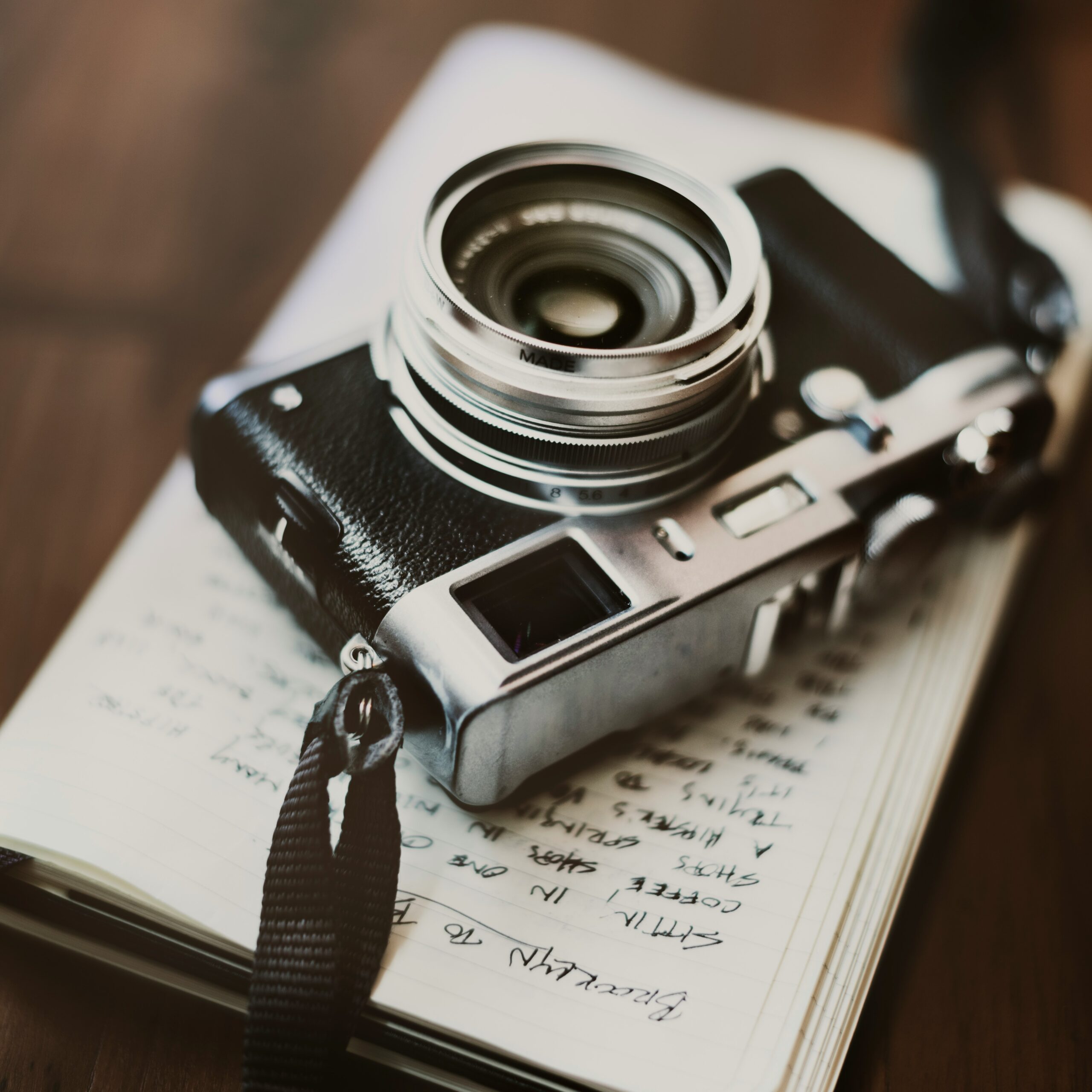
Photography is one of the most rewarding creative hobbies, allowing you to freeze moments in time, share stories, and preserve memories that might otherwise fade. Whether you’re using a smartphone, a compact camera, or a DSLR, learning the basics of photography opens the door to endless possibilities. For beginners, the journey may feel overwhelming at first, but with a bit of guidance and practice, anyone can start capturing meaningful and beautiful images.
This beginner-friendly guide explores fundamental photography concepts, practical techniques, and simple ways to grow your skills and confidence behind the lens.
Understanding Your Camera
Before diving into technique, it’s important to understand the tool you’re working with—your camera. Whether it’s a phone or a dedicated camera, familiarizing yourself with its settings and features can dramatically improve your photography. Explore the menus, try different shooting modes, and learn what each button does. When you understand your camera, you’re better equipped to control the outcome of your shots.
Most modern cameras come with automatic modes that make shooting easy for beginners, but manual settings aren’t as intimidating as they seem. Experimenting with manual mode allows you to adjust shutter speed, aperture, and ISO, giving you creative control over your images. As you become more comfortable, switching between these settings becomes second nature, opening the door to more artistic photography.
Mastering Basic Exposure
Exposure refers to how much light your camera captures when taking a photo. Getting the exposure right ensures your images aren’t too dark or too bright. For beginners, understanding exposure is essential because light has a huge impact on mood, clarity, and detail. Learning to balance exposure helps you capture scenes just as you envision them.
Exposure relies on three key elements: shutter speed, aperture, and ISO. These three settings—often called the exposure triangle—work together to control the brightness of your image. Shutter speed affects motion, aperture influences depth of field, and ISO determines how sensitive your camera is to light. Learning how these settings interact gives you more creative flexibility and helps you grow beyond simple point-and-shoot photography.
Focusing with Intention
Sharp focus is one of the quickest ways to make your photos look professional. While most cameras and smartphones offer autofocus, understanding how to control focus makes a big difference. Focusing with intention ensures your viewer’s attention goes exactly where you want it.
Beginners often rely on automatic focus points, which select whatever the camera thinks is important. Instead, try selecting a specific focus point yourself. Whether you’re capturing a portrait or shooting a landscape, choosing your focus point helps highlight the subject and adds clarity. Practice tapping the screen on your phone or manually adjusting focus on a camera to gain better control.
Learning the Importance of Lighting
Light is the heart of photography. Without it, there is no image. Understanding how to use natural and artificial light is one of the most valuable skills for beginners. Soft natural light—such as early morning or late afternoon sunlight—often produces the most flattering photos. This gentle light creates warm tones and soft shadows, making it perfect for portraits, landscapes, and everyday scenes.
Harsh midday sunlight can create strong shadows and washed-out highlights, but that doesn’t mean you should avoid shooting at noon. Instead, learn to use shade, adjust angles, or make the most of reflective surfaces to soften bright light. Even indoor lighting can be used creatively once you know how different types of light affect color and mood. Developing an eye for light takes time, but it’s a game-changer for improving your photography.
Exploring Composition Techniques
Composition refers to how you arrange elements within the frame. Strong composition makes your photos visually appealing and easier to understand. One of the most popular techniques is the rule of thirds, which divides your frame into nine equal parts and places key elements along the lines or at their intersections. This often creates a more dynamic and balanced image.
Balance, framing, and leading lines are also essential compositional tools. Leading lines—such as roads, pathways, or fences—guide the viewer’s eye toward the subject. Natural frames, such as doorways, branches, or windows, help focus attention. Learning these techniques encourages you to think more intentionally about your images, resulting in stronger photos that tell clear stories.
Practicing with Everyday Subjects
One of the best ways to improve as a beginner is to practice daily with simple, everyday subjects. Whether it’s your pet, your morning coffee, a sunset outside your window, or a street scene in your neighborhood, photographing daily life helps you develop an eye for detail. You don’t need exotic landscapes or studio equipment to learn photography; the ordinary world is full of opportunities.
Practicing regularly helps build confidence and strengthen your understanding of camera settings and composition. Over time, you’ll notice improvements in your ability to anticipate moments, adjust quickly to different conditions, and compose images more effectively. The more you shoot, the more comfortable you become with your camera and your creative instincts.
Learning to Edit Your Photos
Editing is an important part of the photography process. Even simple adjustments can significantly elevate your images. Beginners don’t need expensive software to get started—apps like Lightroom Mobile, Snapseed, or even built-in phone editing tools offer powerful options. Editing can enhance colors, correct exposure, sharpen details, and remove distractions.
However, editing should enhance your photos, not overpower them. Subtle changes usually look more natural and professional. Begin by adjusting brightness, contrast, and color balance. As you gain experience, explore tools like selective editing, curves, and clarity adjustments. Understanding editing helps you finish your photos with polish and enables you to develop your own style.
Developing Your Creative Eye
Creativity grows with observation and curiosity. Start by noticing patterns, textures, colors, and interesting moments in your surroundings. Look for reflections, shadows, or unique angles that add personality to your images. Every photographer sees the world differently—your unique perspective is what makes your work special.
You can also learn by studying the work of other photographers. Notice how they use light, composition, and storytelling. Don’t imitate their style, but use their work as inspiration to discover what resonates with you. Over time, your creative eye sharpens, and you begin to capture images that feel authentic and expressive.
Embracing Trial and Error
Every photographer—beginner or professional—learns through trial and error. Mistakes are part of the creative process. Instead of deleting photos that don’t turn out perfectly, take time to analyze what went wrong. Was the focus off? Was the lighting too harsh? Did the composition feel cluttered? These reflections help you grow and prevent future mistakes.
The more you experiment, the more confident you become. Try new settings, shoot from different angles, and challenge yourself with unfamiliar subjects. Photography is both an art and a skill, and progress happens through practice and persistence. Celebrate your small improvements and stay motivated through the learning process.