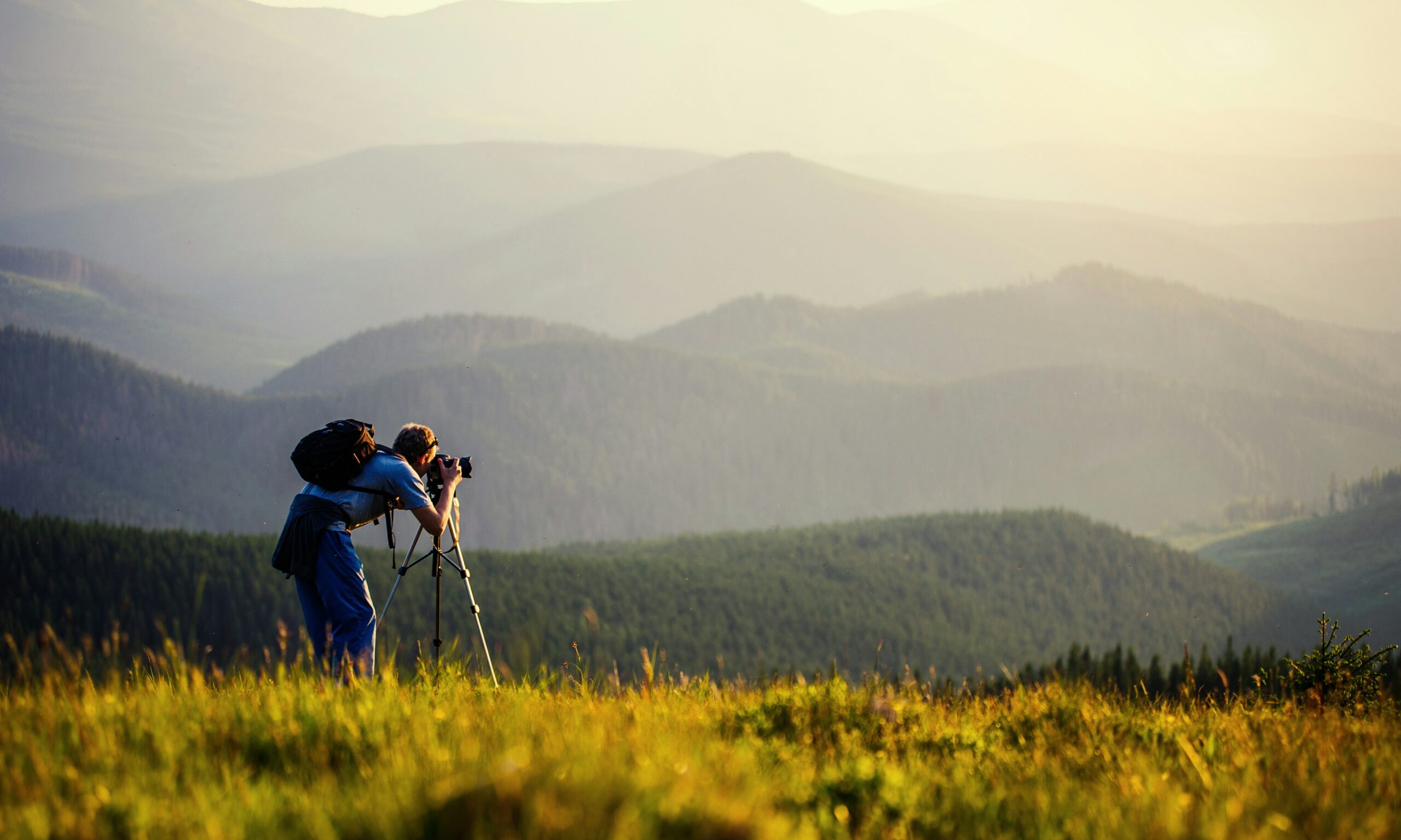
Photography is a powerful way to save special moments. Every photo tells a story about people, places, and feelings. Photography for Beginners is not about expensive gear or complex skills. It is about learning how to see the world in a new way. Anyone can start with a simple camera or even a phone. What matters most is practice and patience. When you begin your journey, focus on small steps each day. Learn how light works and how angles change a photo. Pay attention to the details around you. Over time, your skills will grow naturally. With the right guidance, you can capture memories that last a lifetime.
Understanding Your Camera and Basic Settings
Before taking great photos, you need to know your camera. Many beginners feel confused by buttons and settings. Start by learning the main controls first. Focus on shutter speed, aperture, and ISO. These three settings control light and clarity. Shutter speed controls how long light is allowed to reach the camera’s sensor. A fast shutter freezes motion clearly. A slow shutter creates motion blur. Aperture controls how much light passes through the lens. It also affects how sharp or blurry the background looks.
ISO controls how sensitive your camera is to light. A low ISO works well in bright areas. A high ISO setting helps in low-light conditions. When ISO is too high, photos may look grainy. Practice changing one setting at a time. Notice how each change affects your photo. Many cameras also offer automatic mode. Auto mode helps while you learn the basics. As you grow more confident, switch to manual mode. Understanding your camera builds strong photography skills.
Learning the Power of Light and Composition
Light is the heart of photography. Good light makes photos clear and sharp. Natural light works best for beginners. Try taking photos early in the morning or late in the afternoon. These times offer soft and warm light. Avoid harsh midday sun because it creates strong shadows. Move around your subject to find better light. Notice how light changes mood and color. Practice observing light before clicking the shutter.
Composition means how you arrange elements in your frame. A simple rule for beginners is the rule of thirds. Imagine your photo divided into nine equal parts. Place your subject along these lines. This makes your image more balanced and interesting. Keep backgrounds simple and clean. Remove distractions from the frame. Try shooting from different angles. Crouch low or stand higher for a new view. Small changes can greatly improve your photos.
Choosing the Right Equipment Without Overspending
Many beginners think they need costly gear. That belief is not true. You can start with a basic camera or smartphone. What matters most is how you use it. Learn the strengths of your device. Practice focusing clearly on your subject. If you want a camera, consider entry-level models first. They offer manual control and good image quality. Lenses also play a key role in photography. A simple 50mm lens works well for portraits.
Tripods help keep your camera steady. They are useful for low-light or night shots. Memory cards with enough storage prevent missed moments. A camera bag protects your equipment from damage. Do not rush to buy many accessories at once. Focus on learning first. As your skills grow, you will know what tools you truly need. Smart choices save money and support steady progress.
Practicing Daily and Building Creative Confidence
Practice is the key to improving your photography. Take photos every day. Capture simple subjects around your home. Experiment with shadows, reflections, and colors. Review your images carefully. Notice what works well and what needs change. Learning from mistakes helps you grow faster. Share your work with friends or online groups. Feedback helps build confidence and skill.
Try different styles of photography. Explore portraits, landscapes, or street photography. Each style teaches new lessons. Keep your goals realistic and simple. Growth takes time and patience. Stay curious and open to learning. Watch tutorials or read beginner guides. Many free resources are available online. Developing beginner photography tips into daily habits will improve your results. Confidence grows as your skills improve.
Set small creative challenges for yourself. For example, take photos using only natural light for one week. Focus on capturing emotions in portraits. Limit yourself to one lens to better understand it. These exercises sharpen your eye. Creative growth comes from steady effort and focus. Keep enjoying the process without pressure.
Editing Photos and Sharing Your Work Proudly
Editing helps enhance your images. It does not mean changing reality completely. Editing improves brightness, contrast, and color balance. Many free editing apps are easy to use. Start with simple adjustments. Avoid heavy filters at first. Too many effects can hide natural beauty. Crop your photos to improve composition. Straighten horizons for cleaner results. Small changes can make a big difference.
Save your original photos before editing. This keeps your work safe. Organize your images into folders. Good organization saves time later. Share your work on social media or personal blogs. Sharing builds motivation and inspires others. You may also create photo albums for family and friends. Printed photos bring memories to life.
As you grow, focus on developing your unique style. Every photographer sees the world differently. Stay patient and keep practicing. The journey of Creative Photography Skills Development never truly ends. Each photo teaches something new. Capture moments with care and attention. Keep learning, keep exploring, and keep creating meaningful images.