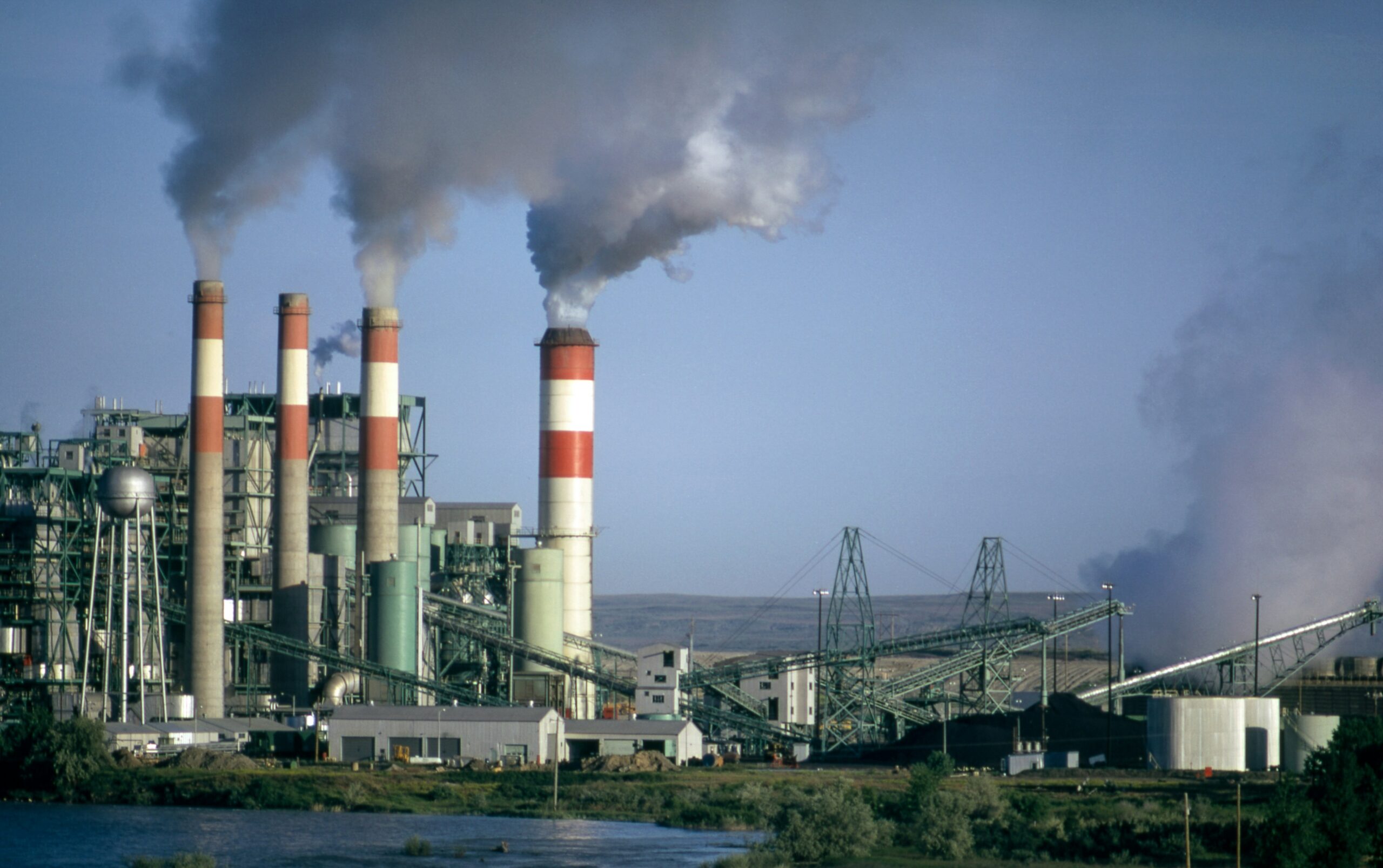
Many homes and buildings harbor hazards that gradually affect health. These risks often remain undetected and worsen over time. Hidden hazards pose health risks because people breathe, touch, and live in proximity to them daily. Therefore, understanding these dangers is critical for long-term safety.
Environmental threats often start small but spread fast. For example, moisture can cause mold growth behind walls. Also, aging materials may release harmful particles into the air. Because exposure happens daily, even low levels can create serious health issues.
Why Hidden Health Hazards Often Go Undetected
Hidden health hazards rarely cause immediate pain or illness. Instead, they create slow and steady harm. As a result, many people ignore early warning signs. Symptoms may seem minor at first, such as headaches or fatigue.
However, these signs are often associated with indoor environmental hazards. Mold, asbestos, and contaminated air remain out of sight. Because people cannot see them, they delay action. Over time, this delay allows health risks in homes to worsen.
Mold Exposure and Its Impact on Health
Mold thrives in damp and poorly ventilated areas. Bathrooms, basements, and crawl spaces provide ideal conditions. Therefore, mold exposure becomes common in many properties. Spores spread easily through indoor air systems.
Health effects of mold exposure vary among individuals. Some experience allergies, coughing, or breathing trouble. Others face long-term respiratory issues. Because mold feeds on building materials, structural damage also follows. Professional remediation becomes essential in these cases.
Asbestos and Lead as Long-Term Health Risks
Older buildings often contain asbestos and lead-based materials. These substances were once common in construction. However, modern science confirms their danger. When disturbed, fibers and dust are released into the air.
Asbestos exposure is linked to severe lung disease and cancer. Lead exposure harms brain development and the nervous system. Children face higher risks from lead. Therefore, hidden hazards pose risks to health long after installation. Safe removal requires trained remediation specialists.
Indoor Air Quality and Invisible Pollutants
Indoor air quality directly affects daily health. Many pollutants remain invisible and odorless. For example, volatile organic compounds are emitted by paints and cleaning agents. Also, dust and dander circulate through ventilation systems.
Poor air quality causes headaches, dizziness, and irritation. Over time, chronic exposure may trigger serious conditions. Therefore, testing and remediation significantly improve indoor air quality. Clean air supports better sleep, focus, and overall wellness.
Water Damage and Bacterial Contamination
Water damage often follows leaks, floods, or poor drainage. Even small leaks create lasting problems. Moisture facilitates the growth of bacteria and mold. As a result, contaminated surfaces become health threats.
Standing water may also attract pests. These pests carry bacteria and allergens. Therefore, water damage remediation protects both health and property. Quick action limits spread and reduces repair costs.
How Remediation Helps Reduce Health Risks
Remediation addresses hazards at their source. Professionals assess, contain, and remove harmful materials. Therefore, remediation improves safety rather than masking problems. This process restores healthy living environments.
Certified remediation teams follow strict safety protocols. They use specialized equipment and protective methods. As a result, exposure risks decrease during removal. Effective remediation also prevents future contamination.
The Role of Professional Health Risk Remediation
Health risk remediation requires expertise and precision. Each hazard demands a specific approach. For example, mold remediation differs from asbestos removal. Therefore, professional evaluation ensures correct treatment.
Experts also identify hidden problem areas. They test air, surfaces, and materials. As a result, remediation becomes thorough and lasting. Property owners gain confidence in long-term health protection.
Prevention Strategies After Remediation
After remediation, prevention becomes the next priority. Moisture control plays a key role in safety. Proper ventilation reduces the growth of mold and bacteria. Therefore, maintenance supports lasting results.
Regular inspections help detect new risks early. Also, using safer building materials reduces exposure. Education helps occupants recognize warning signs. As a result, hidden dangers pose a lower health risk.
Why Addressing Hidden Dangers Protects Long-Term Wellness
Health connects closely to living environments. Clean and safe spaces support physical and mental well-being. Therefore, addressing hidden dangers becomes an investment in wellness. Prevention and remediation work together for lasting results.
Ignoring risks increases future medical and repair costs. However, proactive remediation reduces long-term damage. Healthy spaces allow people to thrive without constant exposure. This approach reflects responsible property care and leadership.