Mold can create serious problems when moisture remains trapped inside a home. Although homeowners often notice mold on walls or ceilings, the damage may extend beyond visible surfaces. Persistent dampness can weaken certain building materials, damage finishes, and create conditions that threaten a home’s long-term durability. Addressing these problems early helps prevent costly repairs.
Professional mold specialists help homeowners identify contamination, investigate moisture sources, and develop appropriate removal plans. Their work focuses on more than cleaning visible mold. By addressing the conditions that allow mold to grow, specialists can help protect structural materials and reduce the likelihood of recurring problems. Understanding their role allows homeowners to make informed decisions about property maintenance.
Understanding How Mold Affects Building Materials
Mold grows on damp surfaces containing suitable organic materials. Wood, drywall paper, insulation facing, and certain flooring materials can support mold growth when moisture remains present. As colonies develop, they may spread across affected surfaces and contribute to material deterioration. However, mold growth does not automatically mean that a home’s structural framework has become unsafe.
The greater concern often involves the moisture conditions that support mold. Persistent water exposure can damage wood, weaken drywall, and contribute to decay caused by wood-destroying fungi. Mold specialists examine affected areas to understand the extent of contamination. When they identify possible structural deterioration, they may recommend evaluation by qualified building professionals before repairs begin.
Identifying Hidden Mold Behind Walls and Ceilings
Visible mold may represent only part of a larger moisture problem. Water can enter wall cavities through plumbing leaks, roof damage, or poorly sealed windows. These enclosed spaces may remain damp without showing immediate surface damage. Over time, hidden moisture can affect insulation, drywall, and wooden framing.
Mold specialists investigate suspicious areas using visual inspections, moisture meters, and other appropriate assessment methods. They may examine water stains, peeling paint, or persistent musty odors to identify possible problems. When necessary, targeted inspection openings can help reveal concealed damage. However, moisture readings alone cannot confirm mold growth. Specialists must interpret findings carefully and determine whether additional investigation is necessary.
Finding the Moisture Sources That Cause Mold Growth
Successful mold prevention begins with understanding where unwanted moisture originates. Cleaning contaminated surfaces without correcting the underlying problem often allows mold to return. Specialists therefore investigate possible sources such as leaking pipes, roof defects, foundation seepage, condensation, and inadequate ventilation.
For example, mold developing near an exterior wall may result from water entering through damaged siding or window seals. In another home, high indoor humidity may encourage condensation on cold surfaces. Identifying these differences helps homeowners choose appropriate repairs. Mold specialists may coordinate with plumbers, roofers, or other contractors when moisture problems require specialized building work.
Preventing Further Damage Through Early Intervention
Moisture-related damage often becomes more expensive when homeowners delay repairs. A small plumbing leak may initially affect a limited section of drywall. If the problem continues, water can spread into nearby insulation, flooring, or wooden components. Early professional assessment can help limit the affected area and reduce unnecessary material replacement.
Mold specialists evaluate the contamination and recommend suitable corrective actions. These may include removing damaged materials, improving drying conditions, or addressing moisture buildup. Prompt intervention is especially important after flooding or significant leaks. Wet materials should generally be dried within 24 to 48 hours when possible. Acting quickly can reduce mold growth and protect materials that might otherwise require replacement.
Using Safe Mold Removal and Containment Methods
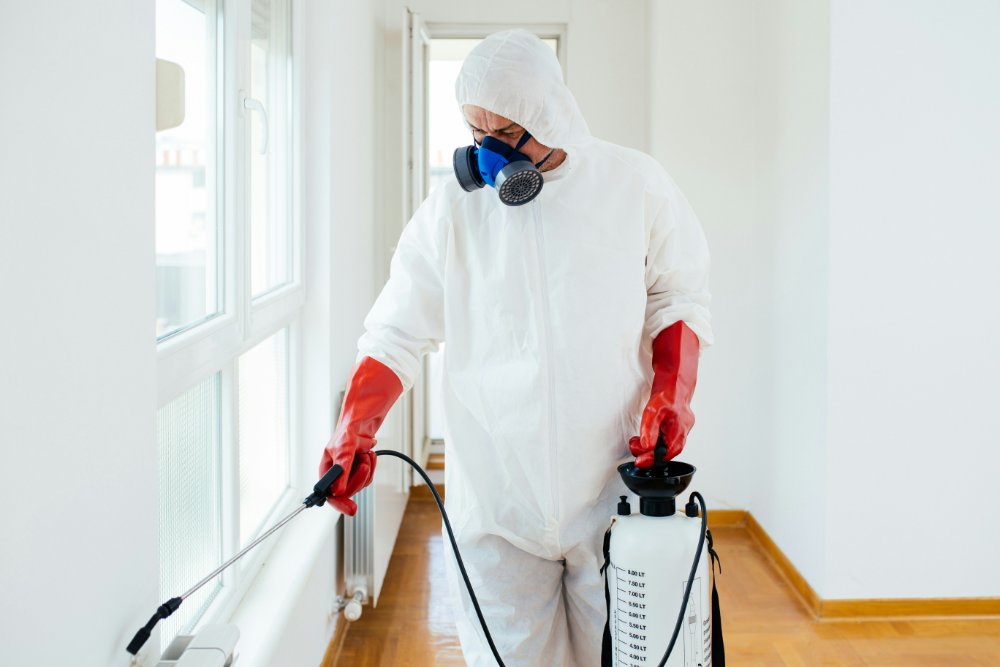
Professional mold remediation involves controlling contamination while removing affected materials. Disturbing moldy surfaces can release spores and particles into surrounding areas. Depending on the extent of contamination, specialists may establish containment barriers and use appropriate air filtration equipment. These measures help limit the spread of contaminants during removal.
Workers may also use protective equipment and specialized cleaning methods suited to the affected materials. Nonporous surfaces can often be cleaned, while heavily contaminated porous materials may require removal. Simply painting over mold or applying chemicals without correcting moisture problems is not an effective long-term solution. Proper remediation addresses both contamination and the conditions responsible for its development.
Protecting Wooden Framing and Structural Components
Wooden framing supports many important parts of residential buildings. When framing remains damp, it may develop surface mold or become vulnerable to more serious moisture-related deterioration. Mold specialists assess accessible wood surfaces and investigate whether water exposure has affected surrounding materials. Their findings can help homeowners determine which areas require additional attention.
However, mold remediation and structural repair are different responsibilities. Removing surface contamination does not restore wood that has lost strength through decay. When specialists discover softened, severely damaged, or potentially weakened framing, a qualified contractor or structural engineer may need to evaluate it. Coordinating remediation with appropriate repairs helps protect the building’s stability and long-term performance.
Addressing Mold Problems in Basements and Crawl Spaces
Basements and crawl spaces frequently experience moisture problems because of their location and limited airflow. Groundwater seepage, plumbing leaks, and humid outdoor air can create damp conditions. These environments may affect wooden floor supports, insulation, and other materials beneath living areas.
Mold specialists examine these spaces for visible contamination and moisture-related damage. They may recommend drainage improvements, leak repairs, vapor barriers, or suitable humidity control measures. The correct solution depends on the building’s design and local conditions. Simply increasing ventilation is not always helpful, especially when outdoor air contains substantial moisture. A targeted approach provides better protection against recurring dampness.
Improving Indoor Humidity and Ventilation Conditions
Indoor humidity plays an important role in mold prevention. High moisture levels can encourage condensation and make some building materials more vulnerable to contamination. The Environmental Protection Agency recommends maintaining indoor relative humidity below 60 percent, ideally between 30 and 50 percent.
Mold specialists may identify areas where ventilation or moisture control needs improvement. Bathrooms, kitchens, laundry rooms, and poorly ventilated storage areas often deserve attention. Exhaust fans, properly maintained air conditioning, and dehumidifiers can help manage moisture when used appropriately. Homeowners should also monitor humidity and investigate recurring condensation. These steps support both building maintenance and a more comfortable indoor environment.
Helping Homeowners Avoid Repeated Mold Problems
Mold remediation provides lasting benefits only when the underlying moisture conditions are corrected. Specialists can explain which maintenance practices help prevent contamination from returning. Their recommendations may involve repairing leaks promptly, maintaining gutters, inspecting roof conditions, and monitoring vulnerable areas.
Homeowners should also understand that normal humidity readings do not rule out hidden water damage. Regular inspections remain valuable, particularly after storms, plumbing failures, or previous moisture problems. Keeping records of repairs and remediation work can help identify recurring patterns. Consistent maintenance allows residents to address small concerns before they develop into extensive property damage.
Supporting Long-Term Structural Protection and Home Maintenance
Protecting a home’s structure requires cooperation between homeowners and qualified professionals. Mold specialists contribute by identifying contamination, investigating moisture conditions, and carrying out appropriate remediation. When damage extends beyond their expertise, other building professionals can assess structural components and complete necessary repairs.
Choosing experienced professionals is important, particularly when contamination affects large areas or concealed building spaces. Homeowners should ask about assessment methods, containment procedures, moisture correction, and how completed work will be evaluated. Clear explanations help residents understand the proposed work and avoid unnecessary services.
Mold specialists help protect residential structures by addressing contamination and the moisture problems that allow it to develop. Their work can reduce further material damage, support timely repairs, and improve long-term maintenance decisions. By combining professional assessment with regular inspections and effective moisture control, homeowners can preserve their property’s condition and reduce the risk of recurring mold problems.