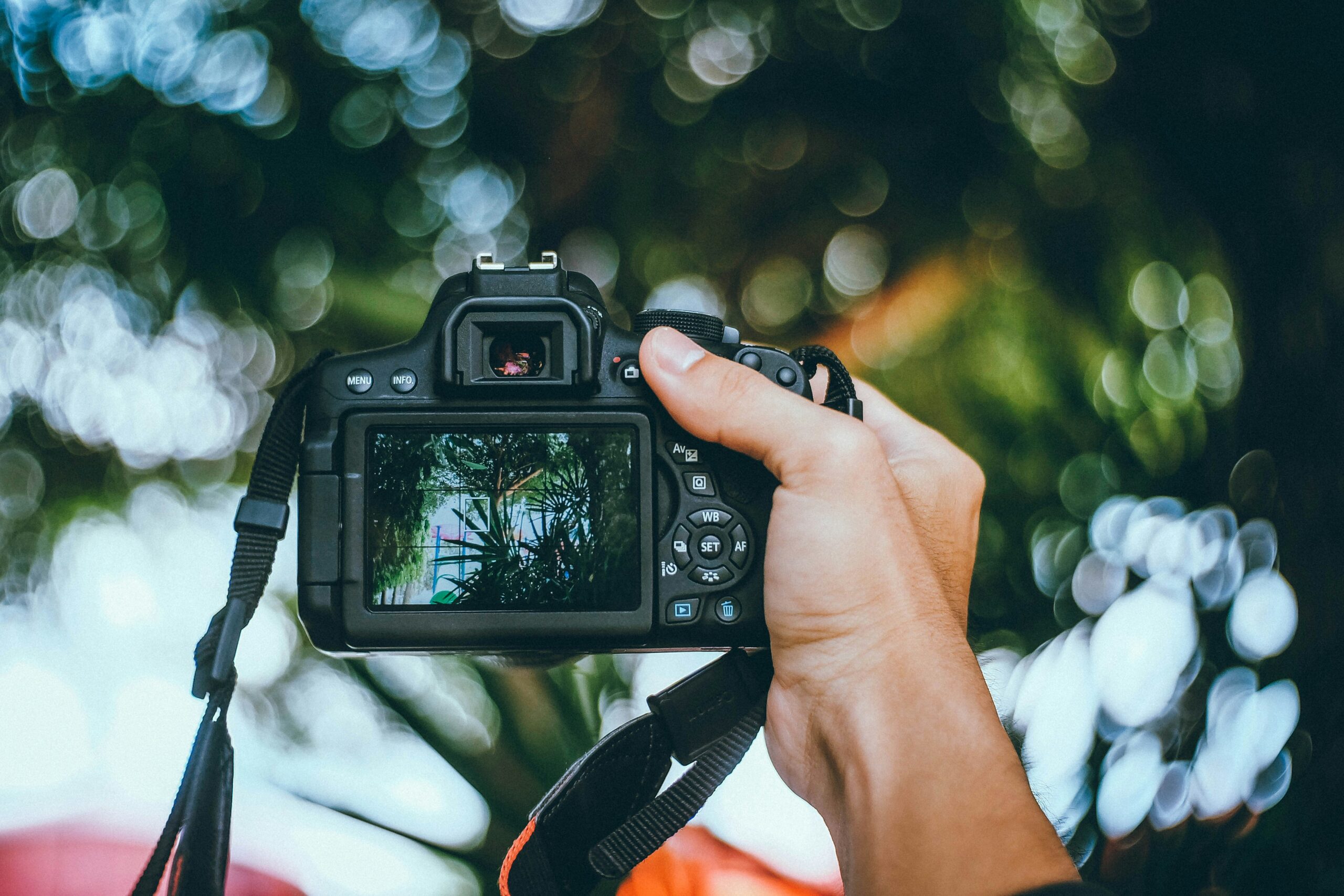
Photography tips for beginners can change how you see and capture the world, especially when you begin with the right mindset and tools. Many new photographers often feel overwhelmed at first; however, learning beginner photography skills step by step makes the journey simple and enjoyable. With proper guidance, you can build confidence quickly, better understand your camera, and capture stunning photos that tell a meaningful story.
Understand Your Camera Settings
To begin with, understanding your camera settings is the foundation of all photography tips for beginners. Every camera, whether it is a DSLR, mirrorless, or even a smartphone, has essential controls like ISO, shutter speed, and aperture. These settings control light and exposure, so learning how they work together helps you take better photos in different conditions.
Moreover, you should explore manual mode as soon as possible, even if it feels challenging at first. Automatic modes can help in the beginning, but manual settings give you full creative control. As a result, you can adjust your camera based on the scene, lighting, and mood you want to create.
Learn the Importance of Lighting
Lighting plays a major role in photography, and it can make or break your images. Natural light, especially early morning or late afternoon, often produces soft, warm tones. Therefore, beginners should practice shooting during these times to get the best results without needing complex equipment.
At the same time, experiment with artificial light and shadows. Indoor lighting can create unique effects if you position your subject correctly. As you practice, you will start to notice how light direction, intensity, and color affect your photos.
Master Composition Techniques
Composition is another key part of photography tips for beginners because it determines how your photo looks to viewers. One simple rule to follow is the rule of thirds, which divides your frame into nine equal parts. Placing your subject along these lines or intersections can make your images more balanced and appealing.
In addition, try to use leading lines, symmetry, and framing to enhance your shots. These techniques guide the viewer’s eye and create a sense of depth. As you continue practicing, your ability to compose visually strong images will improve naturally.
Focus on Sharpness and Stability
Sharp images often look more professional, so maintaining focus and stability is essential. You should hold your camera steady or use a tripod when needed, especially in low-light situations. Even slight movement can blur your photos, reducing their quality.
Furthermore, learning how to use autofocus and manual focus will improve your results. Different scenes require different focusing methods, so practice switching between them. Over time, you will develop the skill to capture sharp, clear images consistently.
Choose the Right Lens for the Situation
Lenses play a crucial role in photography, and choosing the right photography lenses can completely change your results. For example, a wide-angle lens works well for landscapes, while a portrait lens creates beautiful background blur. Understanding these differences helps beginners take better photos in various scenarios.
At the same time, you do not need expensive photography lenses to start. Many kit lenses offer great versatility and quality for beginners. As you gain experience, you can decide which photography lenses best suit your style and needs.
Practice Depth of Field Control
Depth of field refers to how much of your image is in focus, and it adds a creative touch to your photos. A shallow depth of field creates a blurred background, which works well for portraits. On the other hand, a deep depth of field keeps everything sharp, making it ideal for landscapes.
By adjusting your aperture, you can easily control this effect. A lower f-number creates more blur, while a higher f-number keeps more detail in focus. As you experiment, you will learn how to use depth of field to highlight your subject effectively.
Experiment with Different Angles
Trying different angles can make your photos more interesting and unique. Instead of always shooting at eye level, you should explore high, low, and side angles. These perspectives can change the story your photo tells and make it more engaging.
Additionally, moving around your subject helps you discover new compositions. Even a small shift in position can improve the overall look of your image. Therefore, always stay curious and willing to experiment with your shots.
Edit Your Photos for Better Results
Editing is an important step in modern photography, and it enhances your final images. Simple adjustments like brightness, contrast, and color correction can make a big difference. Many beginner-friendly apps and software tools are available to help you get started.
However, you should avoid over-editing your photos. Keeping your edits natural ensures that your images look realistic and professional. With practice, you will develop your own editing style that complements your photography.
Build Consistency Through Practice
Consistent practice is one of the most valuable photography tips for beginners. The more you shoot, the better you understand your camera and the more you improve your skills. Try to take photos regularly, even for just a few minutes each day.
At the same time, reviewing your work helps you identify areas for improvement. Look at your photos critically and learn from your mistakes. Over time, your progress will become noticeable, and your confidence will grow.
Develop Your Creative Vision
Finally, developing your creative vision sets you apart as a photographer. While learning technical skills is important, your unique perspective adds value to your work. Think about what inspires you and how you want to express it through your photos.
Moreover, studying the work of other photographers can spark new ideas. However, you should focus on creating your own style rather than copying others. As your skills and creativity grow together, your photography will become more meaningful and impactful.