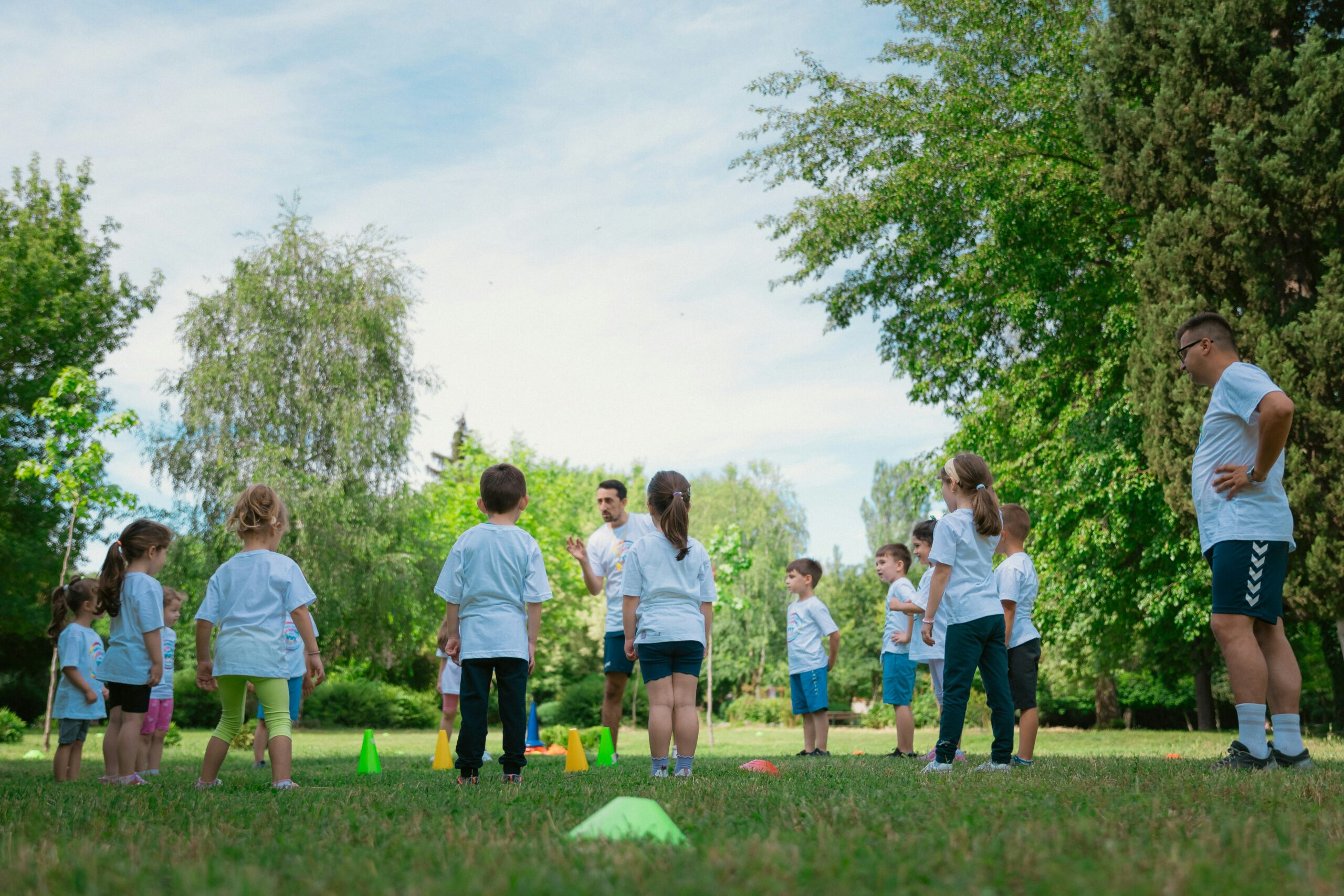
Pickleball has grown into a sport that everyone can enjoy. Children, adults, and seniors can play together on the same court without feeling left out. The rules are simple enough for beginners to pick up quickly, yet the game challenges experienced players to refine their skills. This balance allows families and friends to compete, learn, and have fun together.
Furthermore, the smaller court and lighter paddle make the game accessible to players of all fitness levels. Players do not need extraordinary strength or speed to participate. Instead, timing, strategy, and focus become the keys to success. This accessibility encourages more people to try the sport and stick with it.
Building Social Connections
Pickleball thrives on social interaction. Players talk between points, cheer each other on, and share tips. These interactions create a welcoming and supportive environment where friendships can grow quickly.
At the same time, the sport strengthens family and community bonds. Grandparents can introduce grandchildren to the game, neighbors can meet over friendly matches, and friends can enjoy casual weekend rallies. The social aspect of pickleball makes it more than just a sport—it becomes a shared experience that connects people.
Easy to Learn, Fun to Play
Pickleball’s appeal comes from its simplicity and depth. Beginners can start rallies almost immediately because serving and scoring are easy to understand. Quick success keeps new players motivated and engaged.
Yet the game also allows players to develop advanced skills. Players can work on placement, spins, footwork, and strategy. This mix of accessibility and challenge ensures the game stays enjoyable for casual players and competitive enthusiasts alike.
A Fun Way to Stay Active
Pickleball offers a surprising workout for all ages. Players move quickly to reach shots, pivot to return balls, and engage their core during swings. The game improves agility, balance, and cardiovascular fitness.
The sport also allows players to adjust intensity to suit their level. Casual rallies offer gentle exercise, while competitive matches provide a fast-paced, high-energy experience. This versatility ensures that everyone benefits physically while having fun.
Mental Agility on the Court
Pickleball is as much a mental game as a physical one. Players must anticipate opponents’ moves, plan their shots, and make quick decisions. Each point requires focus, strategy, and adaptability.
The fast pace sharpens decision-making skills under pressure. Players learn to adjust tactics on the fly, enhancing problem-solving abilities that extend beyond the court. Mental agility, combined with physical activity, makes the game rewarding for everyone.
Confidence and Teamwork
Pickleball builds confidence with every rally. Players see measurable progress over time, which motivates them to continue improving.
Doubles play emphasizes teamwork. Partners communicate, support each other, and celebrate successes together. This collaboration strengthens bonds and creates a sense of shared achievement. Players leave the court feeling both accomplished and connected.
Accessible Courts and Growing Communities
Pickleball has expanded rapidly, and courts are now available in parks, recreation centers, and community spaces. This accessibility makes it easy for anyone to try the sport.
Leagues, clinics, and tournaments provide opportunities to improve skills and meet other players. Communities embrace pickleball for its inclusivity and social nature, encouraging players of all ages and abilities to participate.
A Game for Families and Friends
Pickleball fits naturally into family life. Parents can play with children, siblings can compete, and friends can enjoy casual matches together. The game encourages interaction, laughter, and shared fun.
It also teaches valuable lessons. Players learn patience, persistence, and how to handle wins and losses gracefully. Families often find that pickleball creates meaningful experiences and lasting memories.
Adapting to Any Skill Level
Pickleball accommodates players of all skill levels. Light rallies allow newcomers to build confidence, while advanced players can incorporate spins, dinks, and faster-paced shots. This adaptability ensures the game stays challenging and enjoyable for everyone.
Players can choose social play or competitive matches, keeping the experience dynamic. The flexibility of pickleball makes it a sport that can evolve with each player’s skill level and interest.
A Sport That Continues to Grow
Pickleball’s popularity continues to rise across the country. Its mix of social interaction, mental challenge, and physical activity attracts players of all ages. Families, friends, and communities are discovering the joy of the game.
The culture around pickleball fosters inclusion and support. New players feel welcomed, while experienced players enjoy mentoring and friendly competition. This environment strengthens communities and encourages ongoing participation.
Bringing Everyone to the Court
Pickleball succeeds because it combines fun, fitness, and connection. The sport encourages movement, strategy, and teamwork while fostering social bonds. Families, friends, and neighbors benefit from shared experiences on the court.
Pickleball is more than just a fast-paced game. It provides an accessible, engaging, and social activity that appeals to all ages. Whether playing for the first time or refining advanced skills, pickleball brings people together, creating lasting memories and connections far beyond the court.